

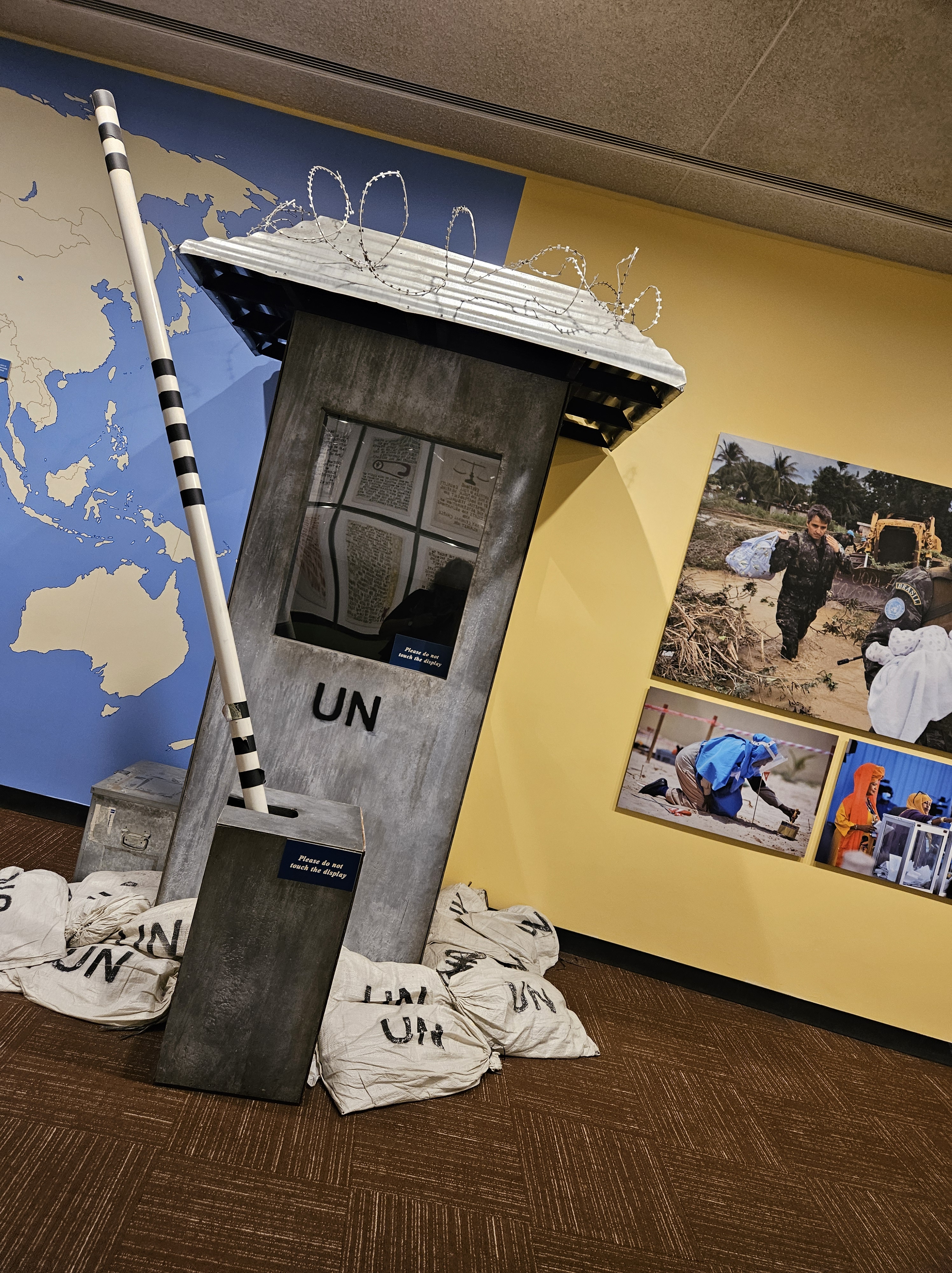
The Summit of the Future laid bare the stark reality of our global predicament. As young voices echoed through the halls, pleading for a better world, the disconnect between rhetoric and action was palpable. With a mere 16% of SDG targets on track for 2030, the clock is ticking, and the world is falling behind.
Leaders paraded their support for renewed efforts, yet their messages blurred into a cacophony of sameness. The elephant in the room remained unaddressed: If we can’t collaborate here, where can we? Who will step up to forge the future we desperately need?
This was nowhere more apparent than in the connections between Sustainable Development Goal 3 (Good Health and Well-being) and SDG 16 (Peace, Justice and Strong Institutions). While there is a stronger recent focus on the link between health and economic or climate goals, the mutually reinforcing goals of health and peace are sometimes overlooked. The ‘siloes’ of politics and strategy operate separately from those of health professions, public health experts, and socioeconomics. Despite the overlaps, there is little discussion between the two communities.
In 1981, the World Health Assembly acknowledged that the role of physicians and other health workers in the preservation and promotion of peace is “the most important factor for attainment of health for all.” Similar initiatives include the World Health Organization’s Peace Through Health plan, begun in the 1990s; and the Health as a Bridge for Peace (HBP) framework, was formally accepted by the 51st World Health Assembly in 1998.
But the onus should not only be on the health sector: diplomats, security experts and foreign policy analysts should note the importance of the connection between health and peace. Similarly to the women, peace and security agenda, the health and peace agenda enables ‘multi-solving’ by addressing the root causes of violence and conflict. Protecting health security inoculates against violence in its many forms. Attention to health security during post-conflict reconstruction reduces the potential for violence to feed into vicious cycles of retribution.
The pandemic exposed the critical need for global health diplomacy. Instead of uniting against a common threat, leaders retreated into nationalist health security postures, squandering chances for conflict resolution through health diplomacy.
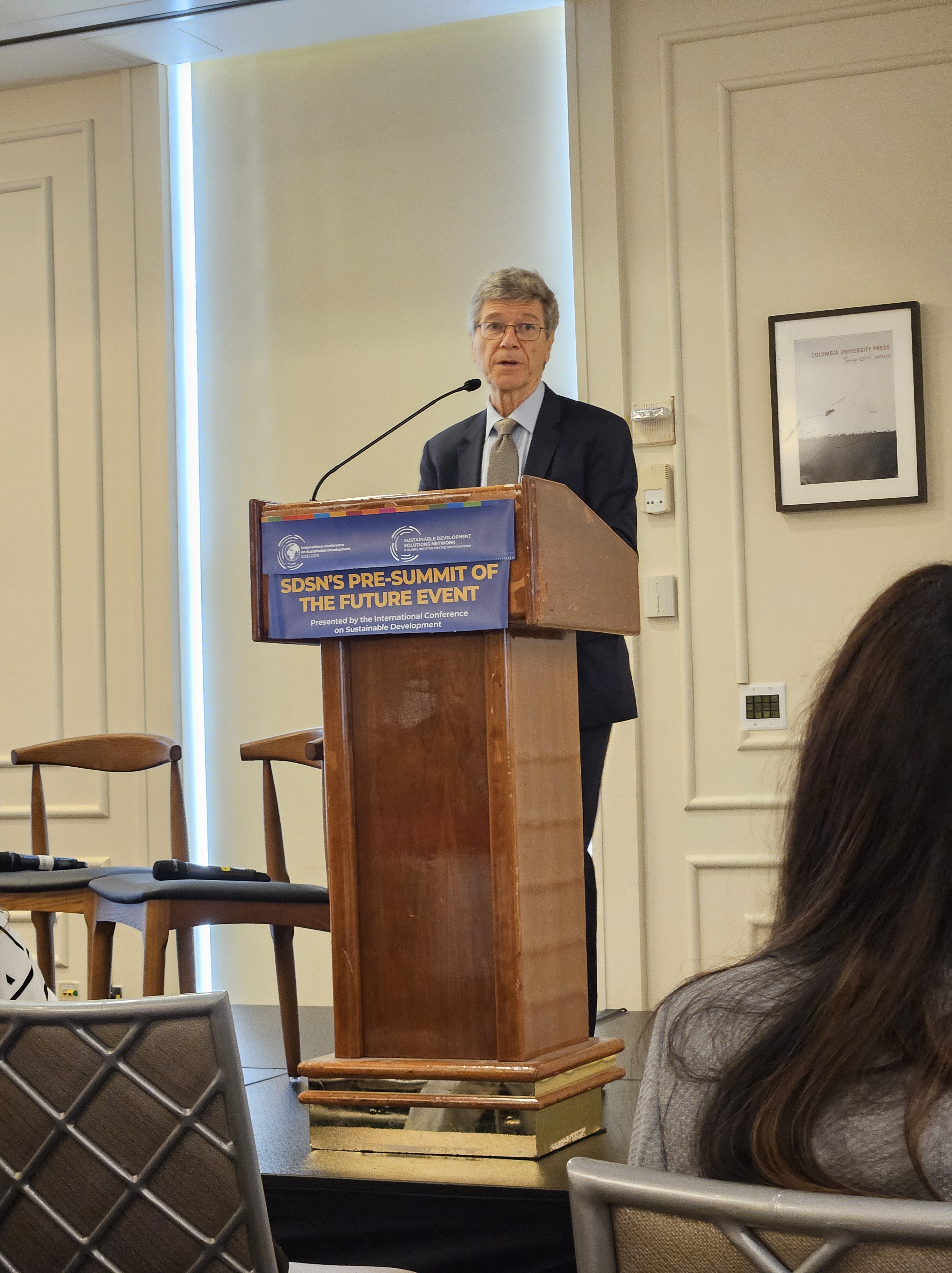
Dr. Jeffrey Sachs speaks at the Pre-Summit of the Future at Columbia University, September 2024
Amidst the gloom, glimmers of progress shine through:
On September 21st 2024, the International Day of Peace, as part of the UN General Assembly Action Days, I was struck by the comments of Juan Manuel Santos, Former President of Colombia and 2016 Nobel Peace Prize recipient. He noted the strong connection between health and peace when he observed the way in which the civil war conflict in Colombia changed over time. As he said, “when soldiers were taken to hospital instead of being killed, it changed the dynamic: when one could trust that the other side would respect their humanity, the level of trust rose on all sides. The ‘enemy’ became human.”
Similarly, in 1859 when Swiss businessman Henri Dunant heard the cries of the wounded on the plains following the Battle of Solferino and called for a halt in the fighting to organize aid, a shift took place that changed the world forever. Dunant’s proposal to create national relief societies to provide neutral and impartial care during conflicts led to the formation of the International Committee of the Red Cross in 1863 and the adoption of the first Geneva Convention in 1864. Ever since, heeding the needs for health has been a powerful lever for upsetting the vicious cycle of violence. In September, fighting was paused in Gaza to enable the vaccination of 640,000 children from the scourge of polio. This effort was not an outlier: the World Health Organization has assisted with vaccine drives during humanitarian crises in many other parts of the world, including the Congo in 1999, where the immunization-related days of tranquility enabled the vaccination of 80% of 10 million children younger than 5 years.
To break the cycle of violence and create a healthier, more peaceful world, we must:
1. Deploy dedicated health diplomats to navigate the geopolitical minefield
2. Revitalize human rights and the Geneva Conventions, prioritizing protection for healthcare workers in conflict zones
3. Boost Official Development Assistance (ODA) for health systems (currently a paltry 0.37% of OECD GNI)
4. Educate relentlessly on the health-peace connection
The Pact for the Future offers a chance to recognize that investing in health creates a powerful multiplier effect on peace. It’s time to move beyond lofty declarations and take decisive action. The future we promised to safeguard is now, and it’s slipping through our fingers.
















 singular and unique interaction between the ‘consumer’ and the ‘product’ that creates and adds value.
 Dr. Rosalind Warner
You must be logged in to post a comment.